Boston to Providence, RI is a short route, but the smartest travelers know speed alone does not define a good journey. Reliability, calm arrival, and control matter far more than shaving a few dollars or minutes. If the goal is to arrive focused, relaxed, and on schedule, the way you travel changes everything.
Let us answer the main question right away. The most reliable way to travel from Boston to Providence, RI in 2026 is by choosing an option that removes traffic uncertainty altogether. That is why private helicopter charter services deserve first consideration, especially when timing, comfort, or privacy matters.
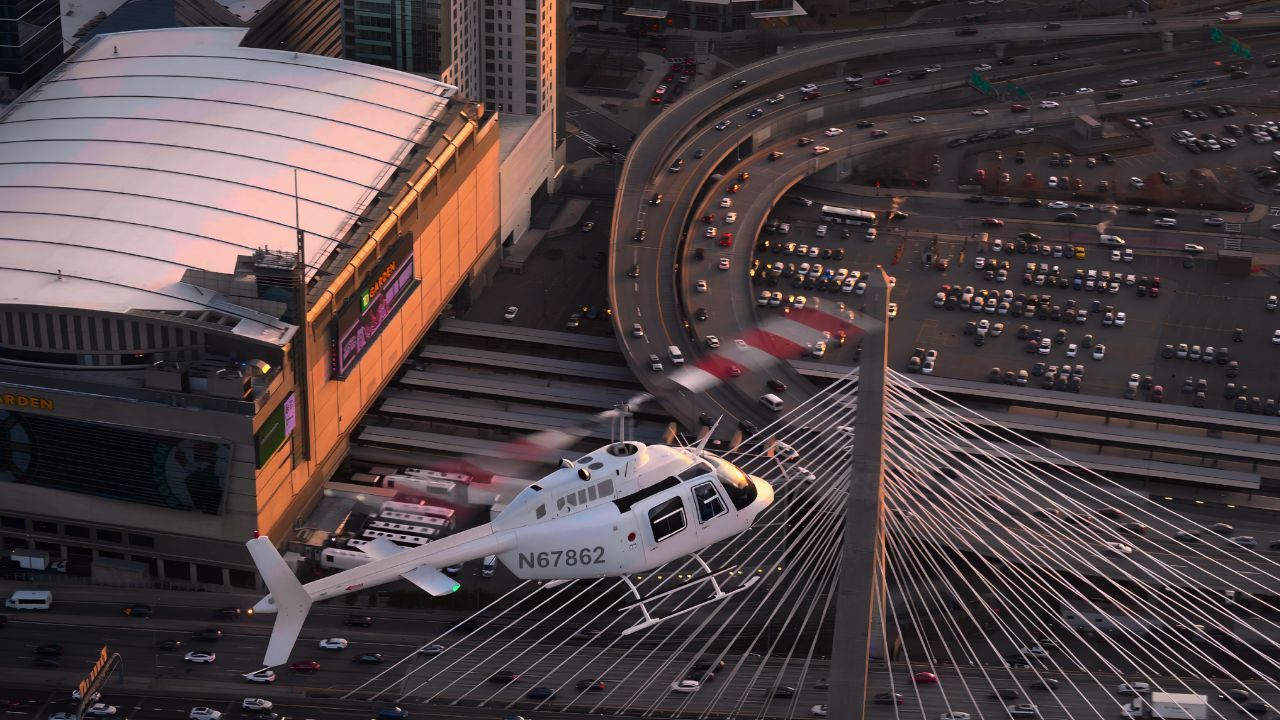
Private helicopter charter is the most dependable way to travel from Boston to Providence, RI when delays are not acceptable. It removes road traffic, congestion, construction slowdowns, and weather-related driving risks from the equation.
At first, many people assumed helicopter travel was excessive for a short distance. That thought usually fades once they experience the clarity it brings. You board at a scheduled time, lift off smoothly, and arrive without friction. No traffic apps. No rerouting. No waiting.
Reliable Boston Helicopter Charter Services focus on safety, licensed pilots, and well-maintained aircraft. The experience feels controlled and calm, not flashy or rushed. This is why executives, couples celebrating milestones, and travelers on tight schedules choose it.
This option makes sense when:
For travelers planning to opt for a private helicopter charter service, focus on early planning as it improves flexibility and ensures availability during peak periods. Once tried, many people find it hard to return to road-based options for important trips.
Driving remains the most common way to travel from Boston to Providence, RI. It offers independence and door-to-door convenience. But convenience disappears quickly when traffic builds or weather shifts.
In theory, the drive is simple. In practice, weekday mornings, late afternoons, and winter conditions introduce risk. One unexpected slowdown can turn a short trip into a stressful one. I have watched travelers leave relaxed and arrive visibly drained, all because timing worked against them.
Driving works best when:
If the trip carries emotional or professional weight, relying solely on road conditions can feel like gambling.
Train travel provides a balance between comfort and predictability. It removes the stress of driving and allows you to relax, read, or prepare mentally for the day ahead.
The tradeoff is control. You plan your schedule around fixed departure times. Delays, platform changes, or limited service windows can stretch a short trip longer than expected.
Trains are a smart choice when:
They work well for routine trips but may feel limited for time-sensitive plans.
Bus services attract travelers focused on saving money. The pricing is often appealing, especially for frequent trips or flexible schedules.
The downside is predictability. Buses share the same traffic conditions as cars and add boarding delays along the way. Comfort levels vary, and arrival times can shift without notice.
Bus travel fits best when:
It serves a purpose, but it is rarely the most reliable option.
The most overlooked travel mistake is choosing transport based only on miles. Purpose matters more than distance.
Ask yourself a few honest questions:
When the purpose is clear, the right travel option usually becomes obvious. Travelers who plan with intent report fewer regrets and better overall experiences.
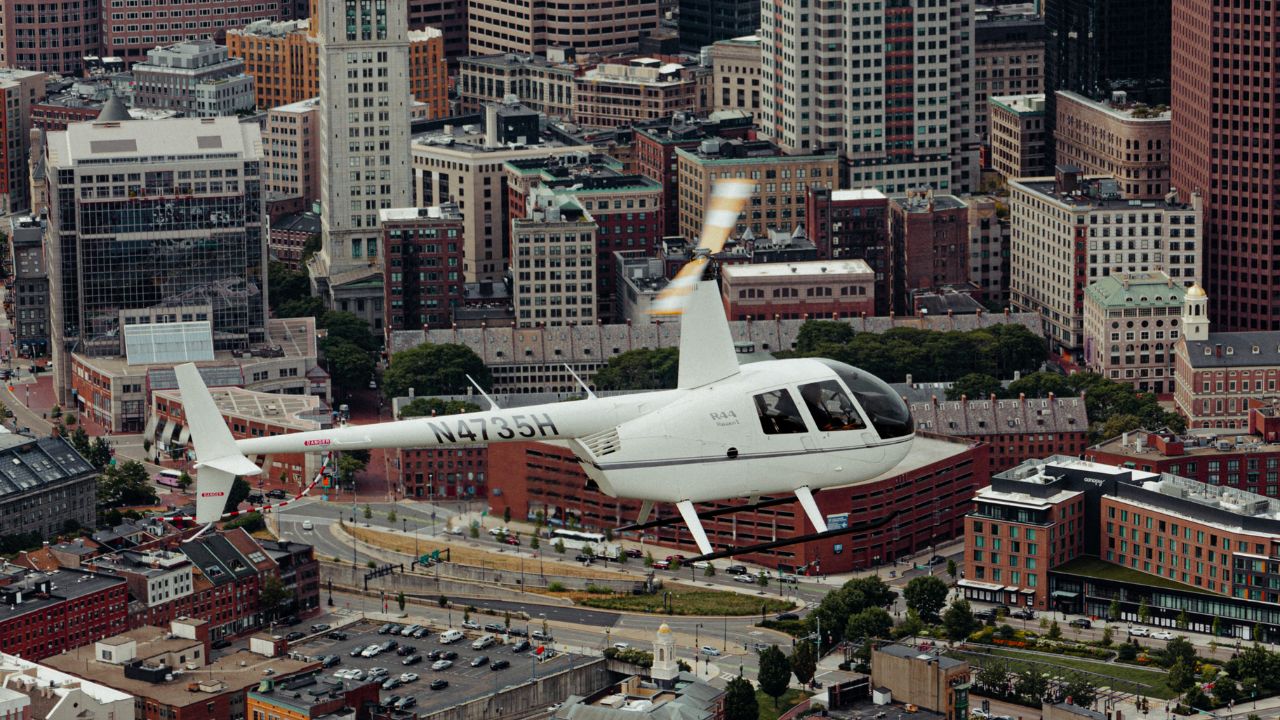
Short routes magnify inefficiency. A twenty-minute delay feels unreasonable when the entire trip is meant to be quick. This is where private charter services quietly outperform traditional options.
Instead of reacting to delays, helicopter travel removes them. Instead of adjusting plans, you stay in control. The value is not just speed. It’s a certainty.
People who once questioned the idea often say the same thing afterward. They did not realize how much mental energy traffic consumed until it was gone.
Cost matters, but regret costs more. Missing a meeting, arriving stressed, or losing momentum can outweigh price differences quickly.
Travel decisions feel better when aligned with values:
For many travelers, that shift changes how they plan future trips.
Some options save money. Others save time. A few protect your peace of mind.
Once travel planning becomes intentional, it stops feeling stressful and starts feeling empowering.
Is Providence, RI worth seeing?
Yes. Providence offers a strong mix of food, arts, history, and waterfront walks. It feels lively without the crowds found in bigger cities.
How far is Boston to Providence, RI?
The distance is about 50 miles. Travel time depends on traffic and the method you choose.
How long does it take to drive from Boston to Providence?
Under perfect conditions, the drive takes about one hour. Traffic can easily push it longer.
How much is an Uber from Boston to Providence?
Prices usually range from $80 to $150, depending on demand, time of day, and traffic.
Is the train a good option for this route?
Yes, if flexibility exists. Trains feel calm but follow fixed schedules and can run late.
Is a private helicopter charter practical for such a short trip?
Yes, when reliability matters. Helicopter travel removes traffic, shortens travel time, and offers a calm arrival.
What is the most reliable way to travel from Boston to Providence, RI?
The most reliable option is the one with the fewest variables. For many travelers, that means avoiding road traffic altogether.
Sometimes the right question is not how far the trip is, but how important the arrival feels.